电热展Plastics Heating Elements

PLASTICS HEATING ELEMENTS

Heat the right surface.Start with the fit.

Match mica, ceramic and cast-in elements to the heating location, contact dimensions and process zones. Prepare the power, termination and installation requirements.

06
Product families
02
Bands and plates
3D structure explorerPlastics heating elements

Drag to rotate · Typical structure shown; actual configuration varies.

PRODUCT MATRIX

Six families,
for curved and flat surfaces

Start with the mounting surface and process zones, then compare construction, material and terminations.
01
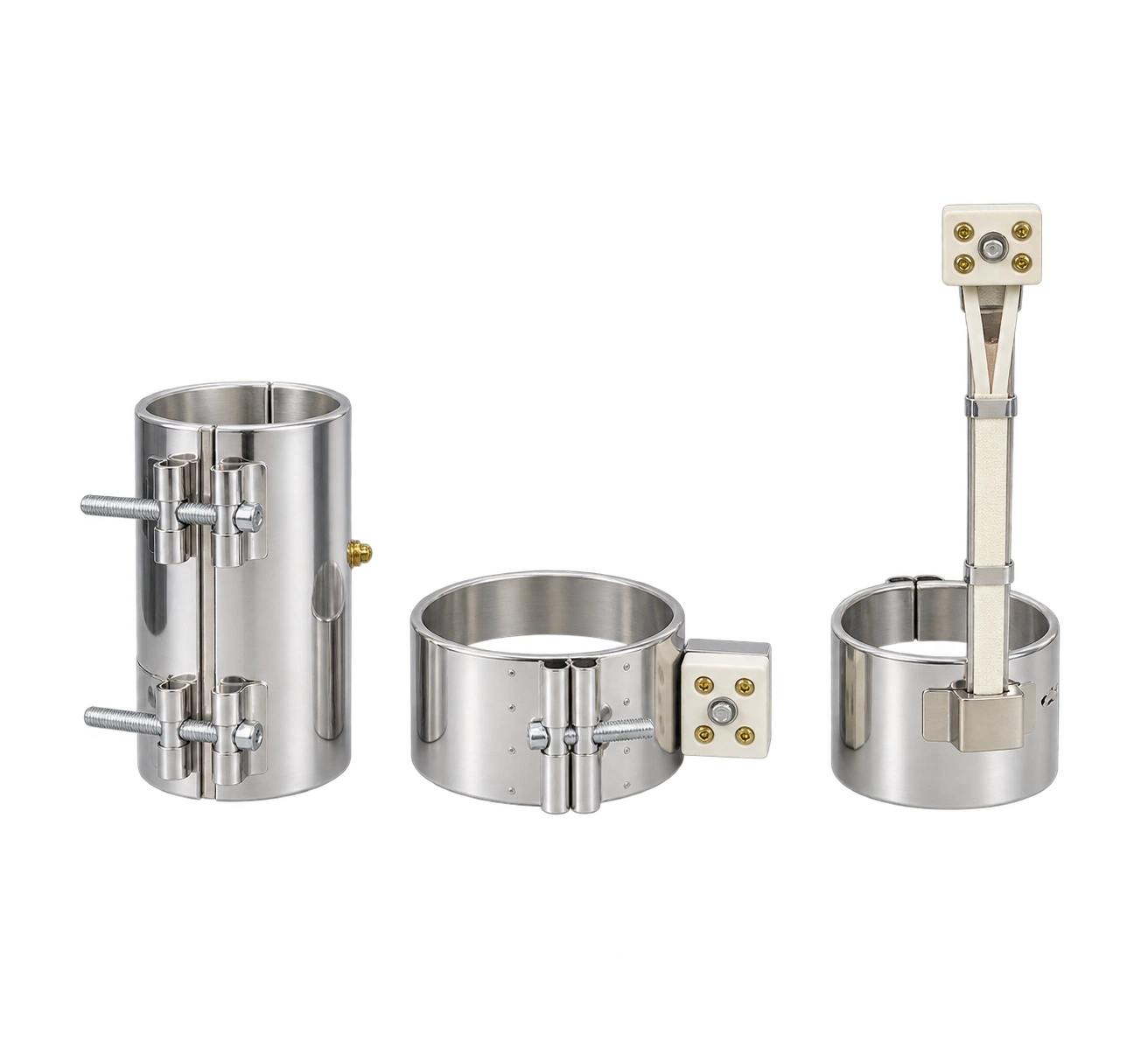
Mica band heater
MICA BAND

01 / PLASTICS HEATING ELEMENT

Mica band heater

Mica insulation and a metal sheath form a compact band for compatible barrels, nozzles and cylindrical surfaces.
  • Confirm outside diameter, band width and gap
  • Provide close contact and follow the tightening instructions
  • Allow space for terminals, sensor holes and access
Mica insulationClose fitCustom dimensions
02
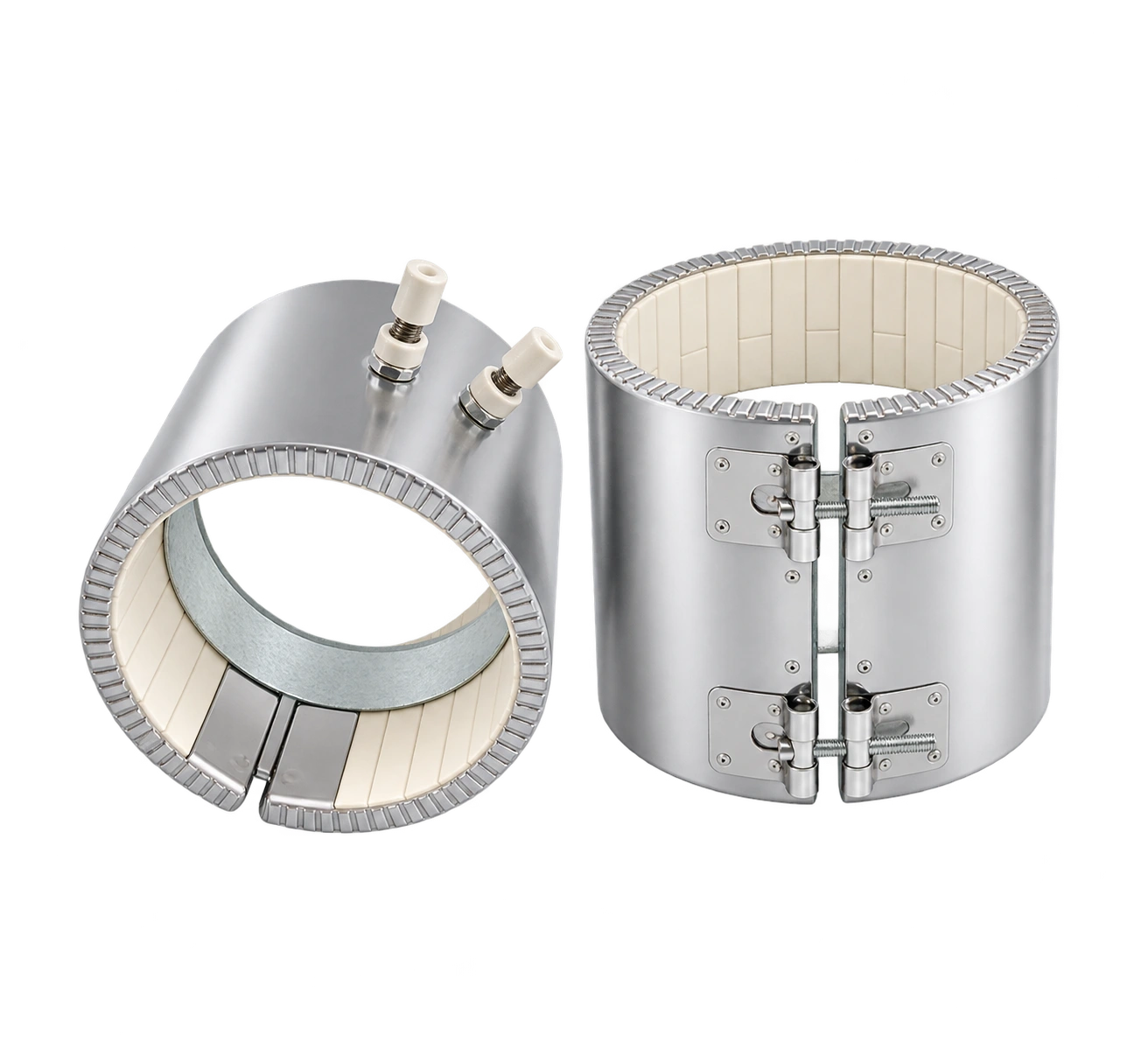
Ceramic band heater
CERAMIC BAND

02 / PLASTICS HEATING ELEMENT

Ceramic band heater

Ceramic segments support the resistance winding within a metal sheath; match the heating and insulation arrangement to the duty.
  • Check diameter, width, segmentation and fastening
  • Match the structure to temperature, insulation and cooling needs
  • Confirm terminal orientation, sensor holes and guarding
Ceramic insulationSegmented constructionZone matching
03
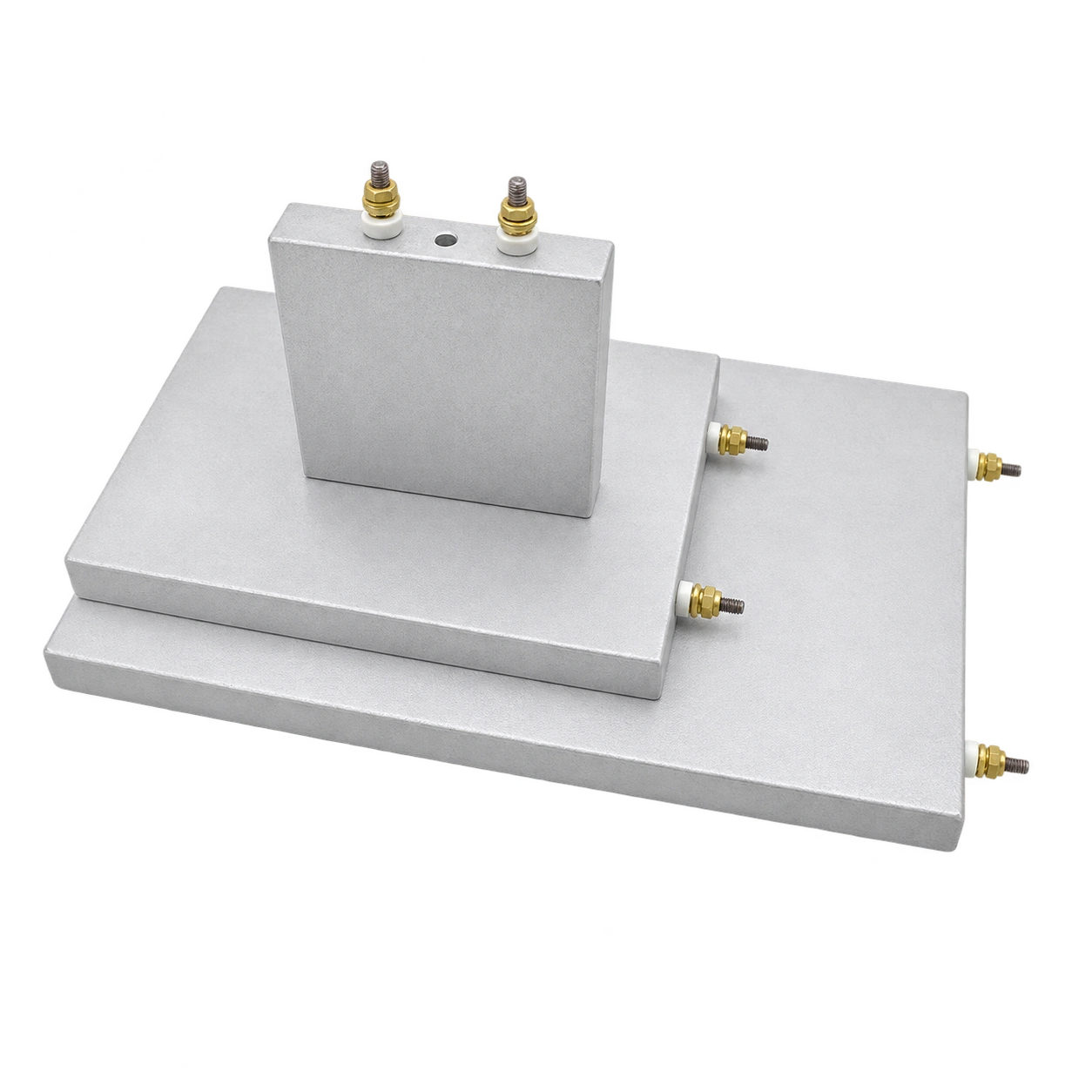
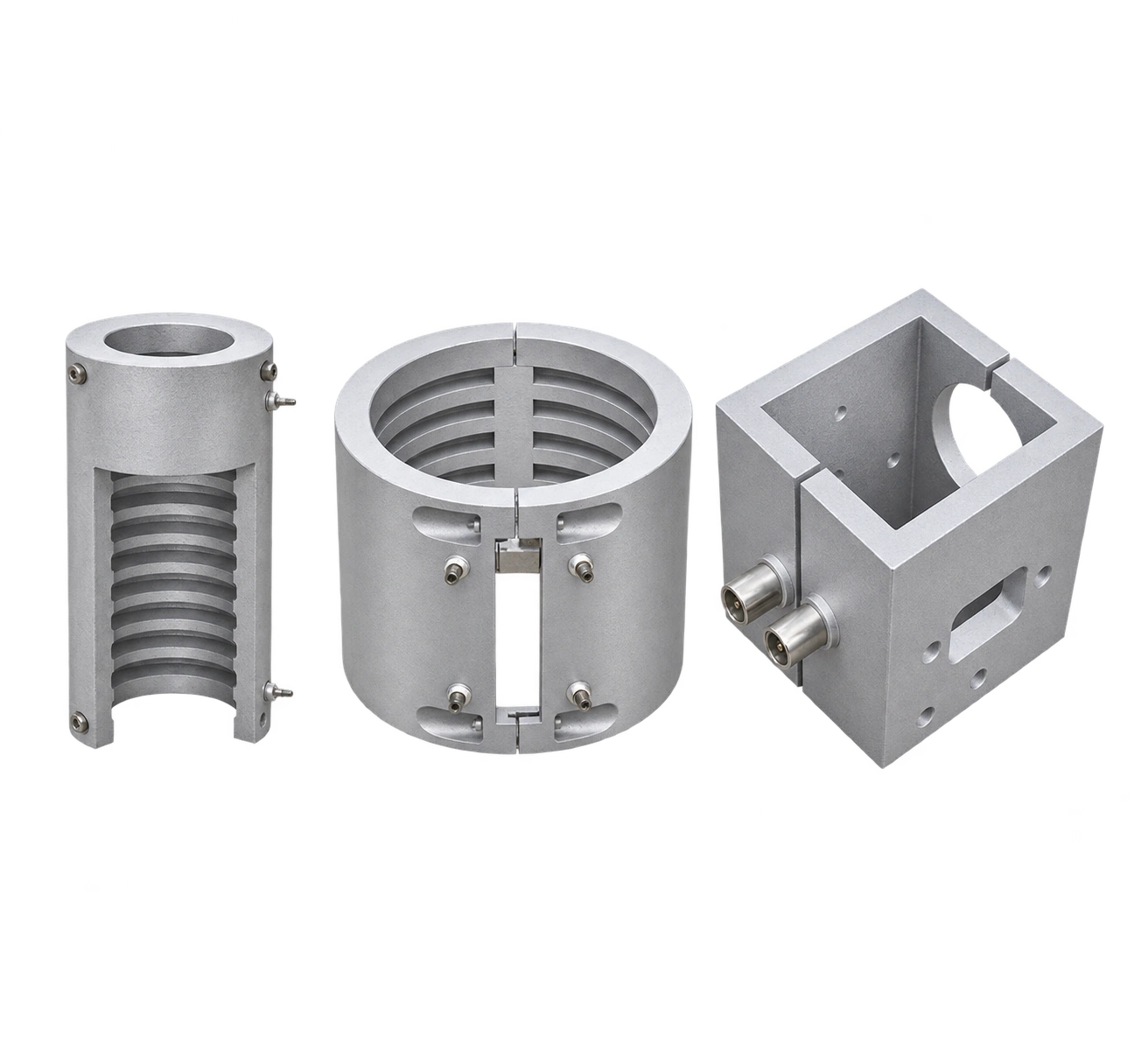
Cast aluminium plate heater
CAST ALUMINIUM / PLATE

03 / PLASTICS HEATING ELEMENT

Cast aluminium plate heater

Heating elements embedded in an aluminium-alloy casting transfer heat through a machined contact surface to a platen or flat component.
  • Check length, width, thickness, contact face and holes
  • Define zones, sensor bores and terminal orientation
  • Specify any cooling passages and connections separately
Aluminium alloyFlat contact faceMounting features
04
Cast aluminium band heater
CAST ALUMINIUM / BAND

04 / PLASTICS HEATING ELEMENT

Cast aluminium band heater

An aluminium-alloy casting formed as a ring or split assembly transfers heat to compatible barrels and curved surfaces.
  • Define inside diameter, length, split and clamping positions
  • Check clearance, terminal orientation and sensor bores
  • Specify the cooling circuit and ports when required
Cast bandSplit assemblyCooling options
05
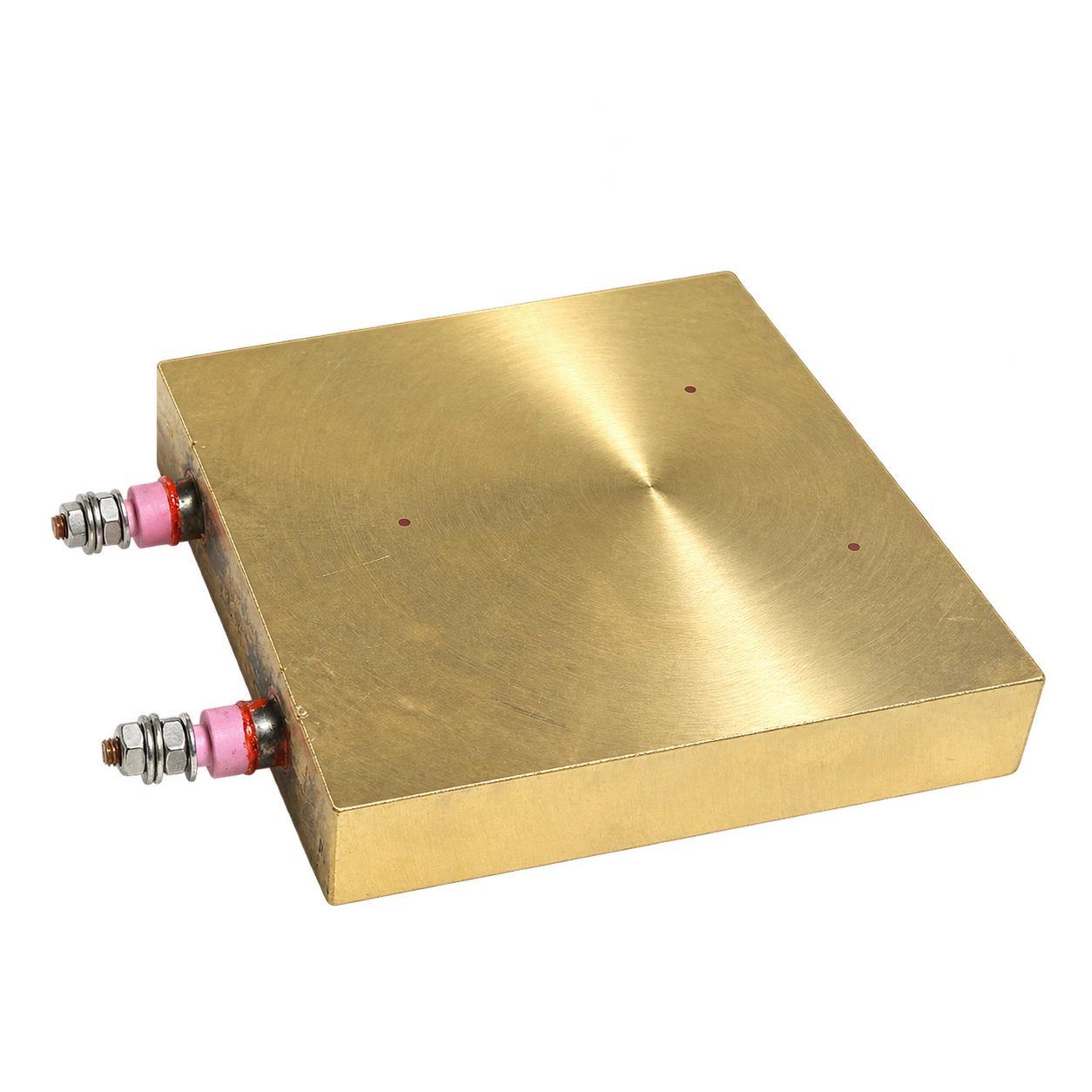
Cast copper-alloy plate heater
CAST COPPER ALLOY / PLATE

05 / PLASTICS HEATING ELEMENT

Cast copper-alloy plate heater

Elements embedded in a copper-alloy casting supply heat through a flat contact surface. The actual casting alloy must be specified.
  • Specify the alloy rather than identifying it by color
  • Confirm dimensions, flatness and mounting holes
  • Plan installation around power, mass and temperature zones
Copper alloyFlat contactAlloy confirmation
06
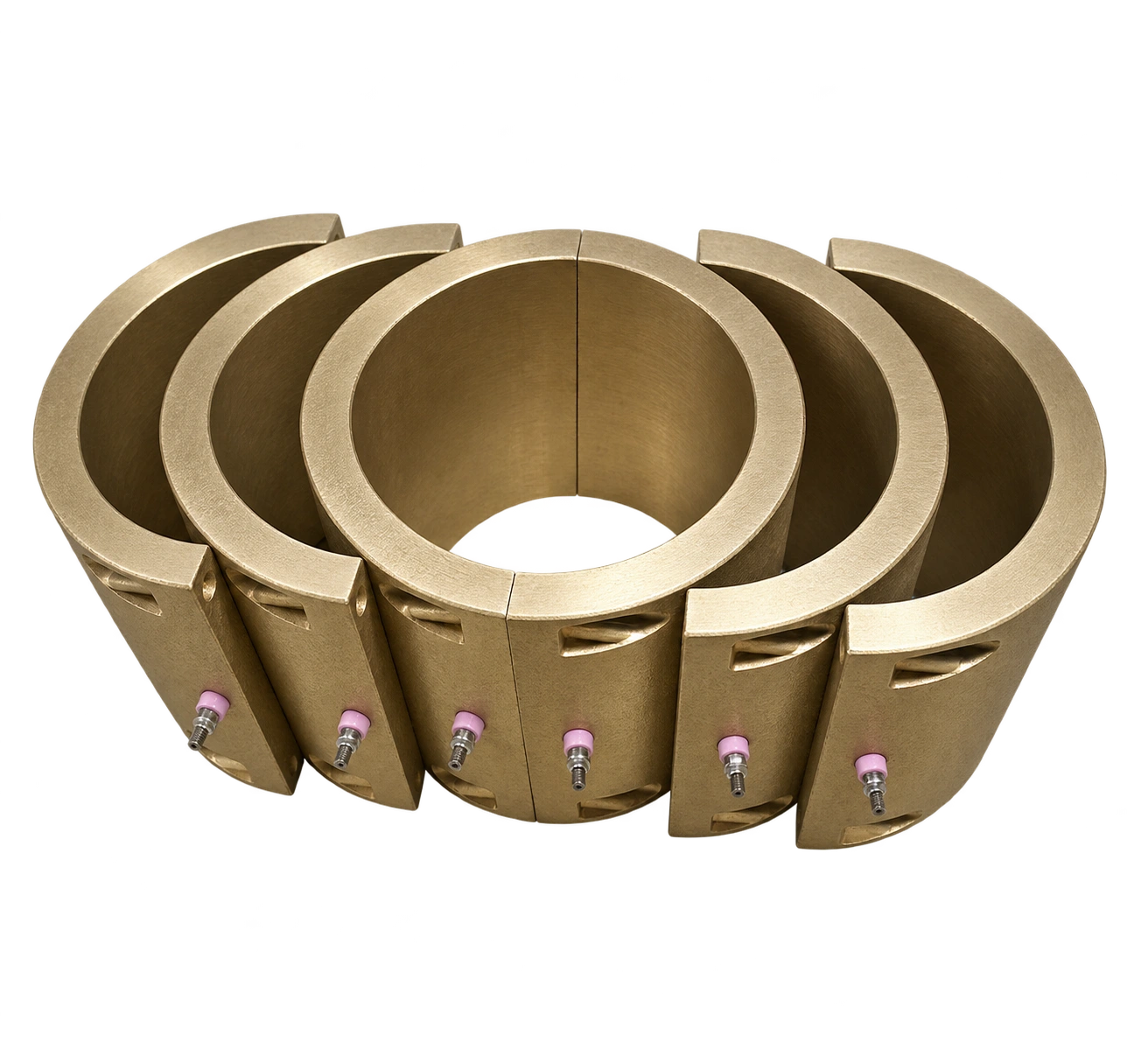
Cast copper-alloy band heater
CAST COPPER ALLOY / BAND

06 / PLASTICS HEATING ELEMENT

Cast copper-alloy band heater

A ring or split copper-alloy casting is matched to the barrel dimensions, heating zones and installation requirements.
  • Confirm alloy, inside diameter, width and segmentation
  • Check clamping, support and maintenance access
  • Review heating and cooling construction separately
Curved contactCopper-alloy bodySplit installation

QUICK COMPARISON

Start with the shape, then check material and duty

FamilyConstructionHeating locationSelection checks
Mica band heaterMetal sheath and mica insulationCompatible barrels and nozzlesDiameter, width, gap and contact
Ceramic band heaterCeramic segments and resistance windingPlastics barrels and suitable heating zonesFit, segmentation, insulation and cooling
Cast aluminium plate heaterElements embedded in an aluminium castingPlatens, dies and flat equipment surfacesFlatness, holes, zones and assembly
Cast aluminium band heaterRing or split aluminium-alloy castingExtrusion barrels and compatible curved surfacesInside diameter, clamping, ports and cooling
Cast copper-alloy plate heaterElements embedded in a copper-alloy castingSuitable flat heating surfacesAlloy, dimensions, support and zones
Cast copper-alloy band heaterRing or split copper-alloy castingCompatible barrels and curved componentsAlloy, fit, fastening and support

CONTACT AREA CHECK

Measure the contact face, then check face loading

Nominal area and average face loading only; no universal allowable value is implied.
Nominal contact areaAverage face loading

Openings, cutouts and non-contact regions are not deducted. This is not the active heater area or a uniformity prediction; final loading depends on element and equipment design.

CONTROL & PROTECTION

Review fit, sensing and protection together

01

Contact and fastening

Heat reaches the equipment surface

Check contact surfaces, clamping and fit against the product instructions.

02

Process temperature feedback

Monitor each process zone

Locate sensors to reflect the heated component conditions; review protective sensing separately.

03

Zone power and wiring

Match the rated electrical conditions

Confirm power, voltage, phases, terminations and grounding for each zone.

04

Cooling and operating conditions

Coordinate heating and cooling

When cooling is specified, check the medium, ports, circuit and interlocks.

SELECTION INPUTS

Six input groups, for a clearer inquiry

01

Heating location and dimensions

Provide barrel outside diameter and active length, or flat-face dimensions, contact area and a mounting drawing.

02

Temperature zones and power

Provide operating temperature, heat-up time, zone power, voltage and phases. A material name is not an electrical rating.

03

Contact and fastening

Confirm contact surfaces, gaps and clamping conditions. Installation gaps and uneven loading can affect heat transfer.

04

Holes and terminations

Locate sensor bores, mounting holes, cutouts, terminals and lead exits; state the dimensional tolerances.

05

Sensing and protection

Define process sensing, overtemperature protection, grounding and terminal guarding for each zone.

06

Site and cooling

State clearances, environment and maintenance needs. For cooling, provide the medium, connections and circuit requirements.

APPLICATION DIRECTIONS

Find the element family by equipment location

01

Barrels and nozzles

Match mica, ceramic or suitable cast-in bands to the barrel dimensions and zones; check contact and control.

02

Platens and die surfaces

Match cast aluminium or copper-alloy plates to the contact face, mounting features and power zones.

03

Extrusion zone management

Coordinate heating, cooling and sensing. Cooling passages, air-cooling arrangements and controls are product-specific.

EQUIPMENT IN APPLICATION

Heater assemblies in practice

Mica band heater batches
01

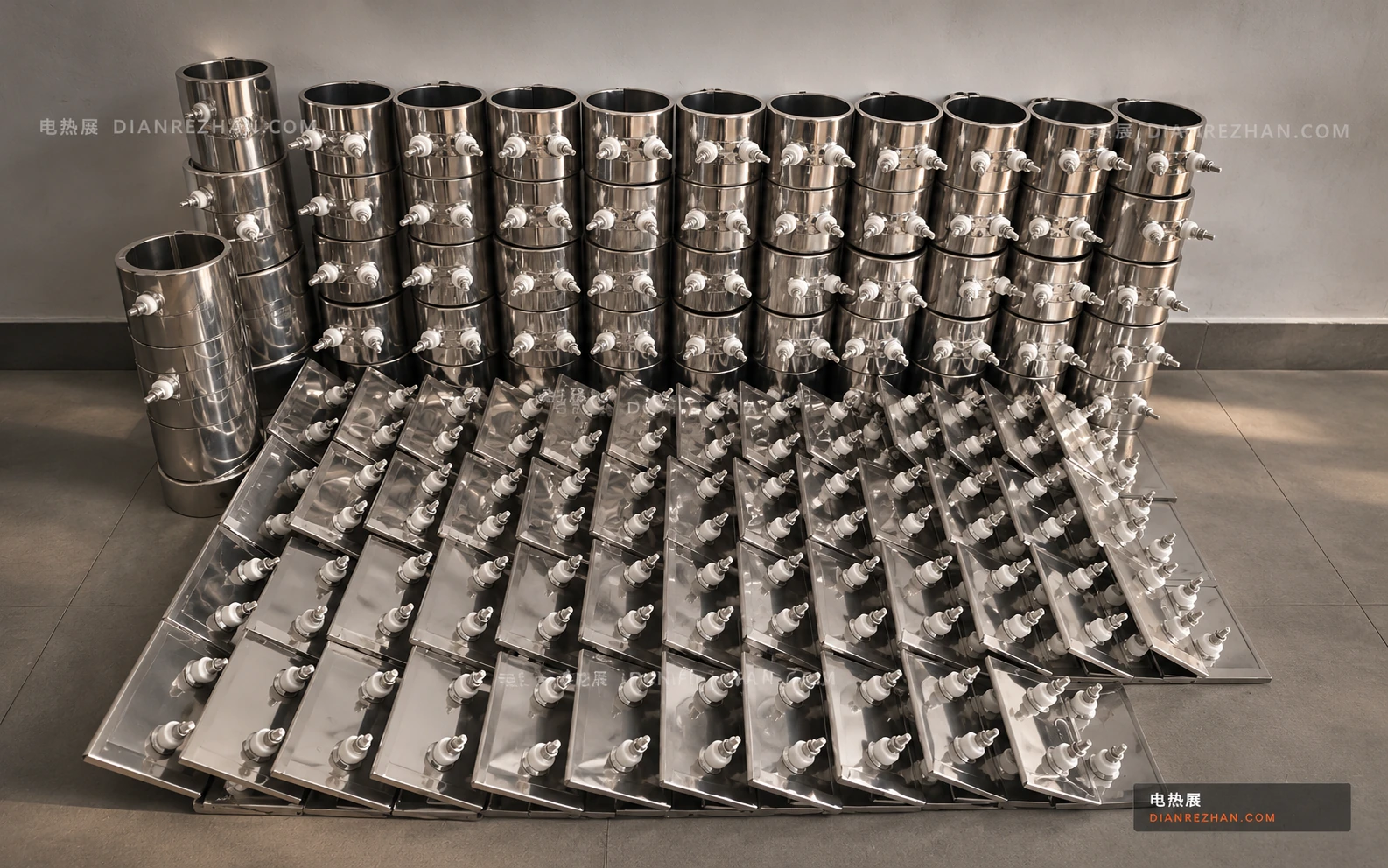
Mica band heater batches

Batch photographs of band heaters. Check bore, width, power and terminal arrangement.

Barrel heating zones
02

Barrel heating zones

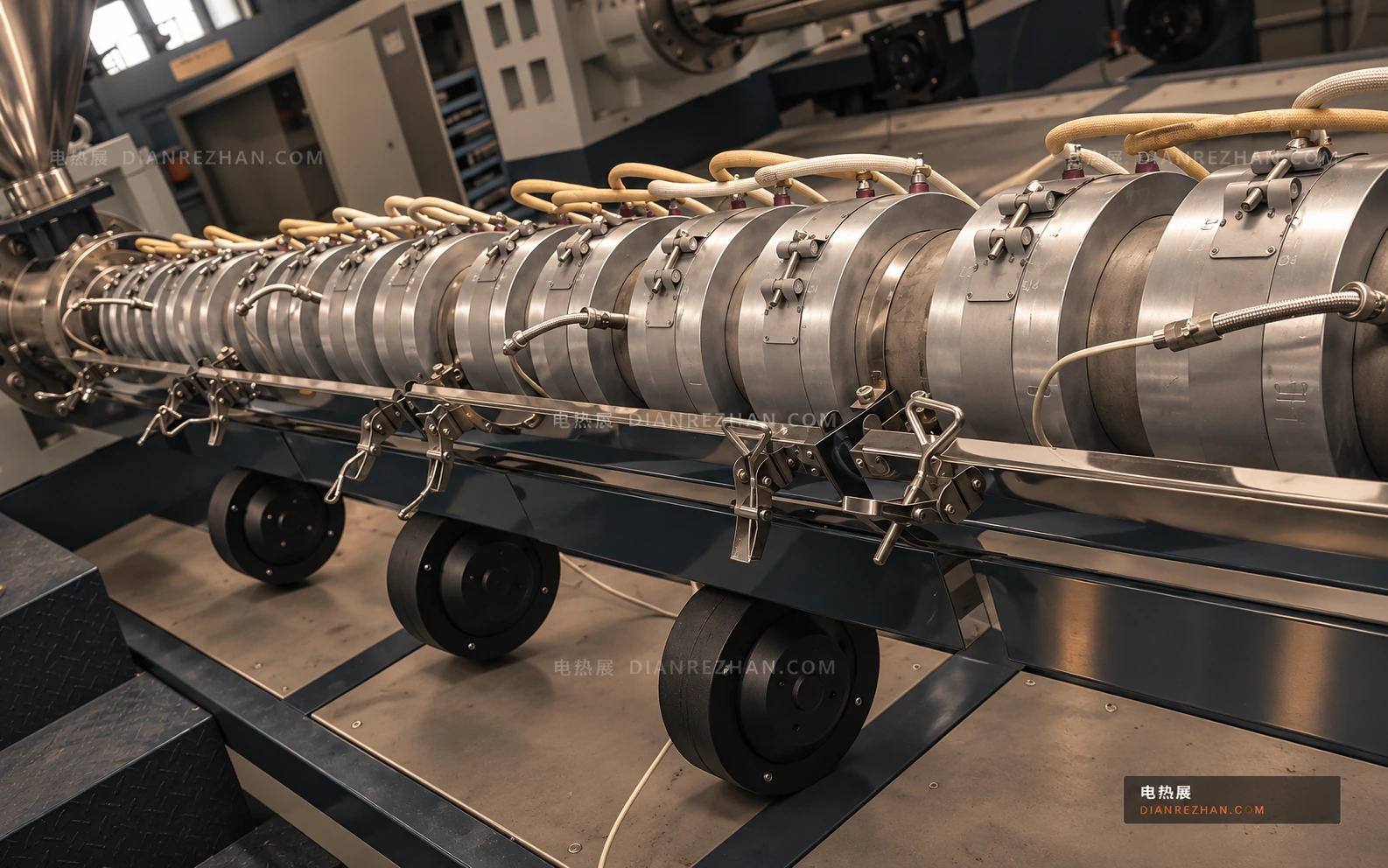
Heater assemblies arranged along a barrel. Confirm zones, fit, wiring and maintenance access.

Band heater installation
03

Band heater installation

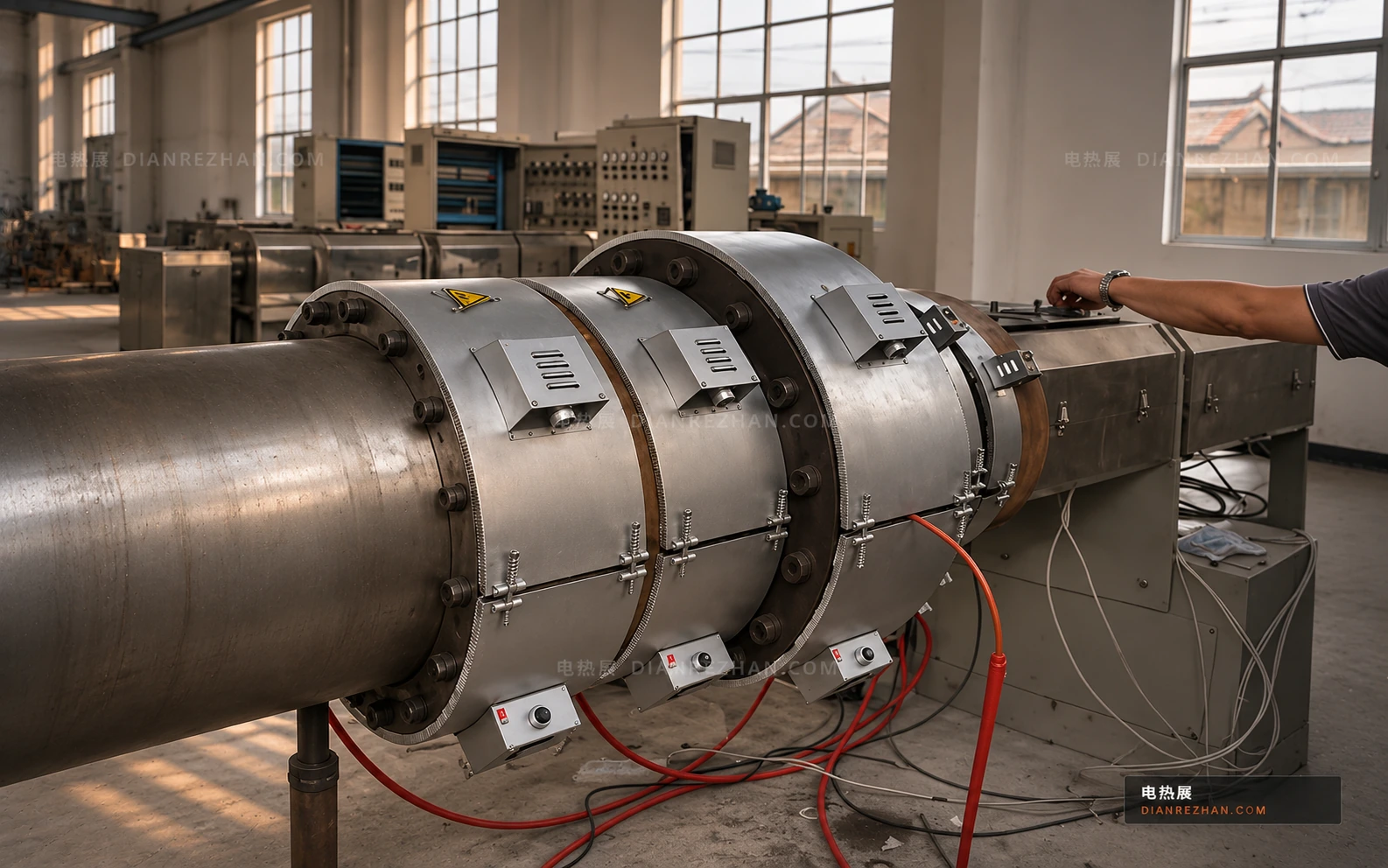
A view of band heaters and connections on a barrel. Check fastening and lead clearance.

Cast copper-alloy plates
04

Cast copper-alloy plates

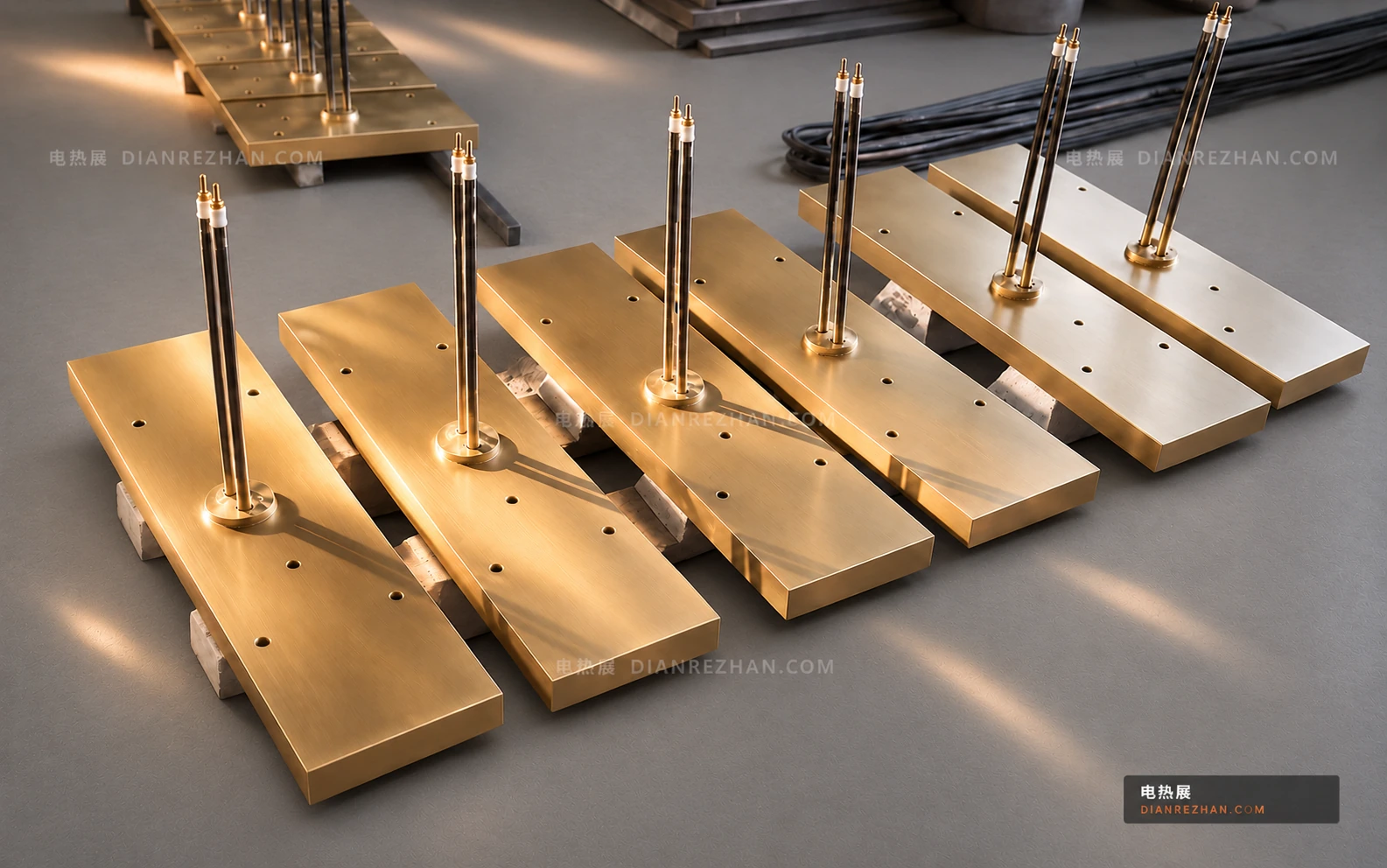
Plate heaters and terminals as supplied. Confirm mounting faces, holes and the actual alloy.

Edited from supplied photographs for lighting and presentation; product and installation references, not named customer projects.

Prepare these inputs before selection

Diameter · Width · Plate size · Contact
Voltage · Power · Temperature · Terminals

KNOWLEDGE BASE

Plastics heating element FAQ

01How do I choose between mica and ceramic bands?+

Compare operating temperature, fit, insulation and cooling requirements. Their insulation structures differ; appearance or equal wattage does not establish interchangeability.

02Can cast aluminium and cast copper-alloy heaters be interchanged?+

Not by material name alone. Check the actual alloy, ratings, power distribution, dimensions, mass, mounting and cooling against the equipment and original drawing.

03Does a cast copper heater mean pure copper?+

Not necessarily. This trade description may cover different copper alloys. Confirm the alloy grade and operating conditions rather than relying on color.

04Why do contact and tightening matter?+

Surface contact and dimensional fit affect heat transfer. Gaps, misalignment and uneven loading can create hot spots. Follow the specific product instructions for tightening and any required retightening.

05Can an existing heater be reproduced from a photo?+

A photo helps identify construction but does not replace dimensions, electrical ratings, hole locations, terminations and process data. Supply a drawing or sample for critical fits.

06Can the surface-loading calculation select the heater?+

No. It gives nominal contact area and average face loading only. It does not account for holes, local power distribution, losses or actual contact resistance. Final ratings remain design-specific.

YOUR REQUIREMENTS

Share requirements for an initial review

Start with the information available; drawings or sample details can follow during discussion.

Enter requirements ↗

Or use the main inquiry form